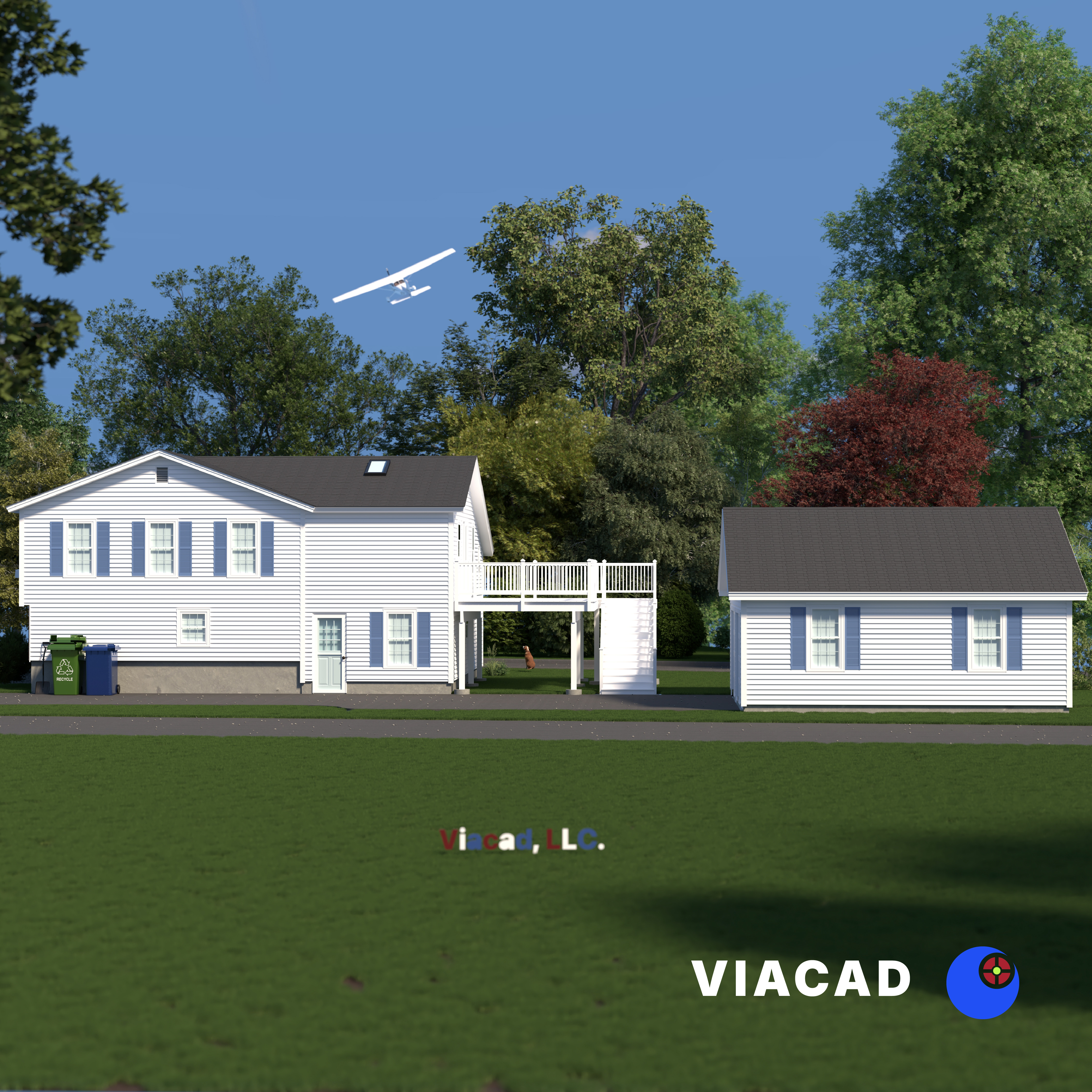
NOTE: VIACAD, LLC specializes in developing and producing detailed design & building plans (construction blueprints) for both residential and commercial projects across Holden and Central Massachusetts with more than 18 years of experience in design & construction producing professional permit-ready drawings for homeowners, builders, developers, and businesses.
Accessory Dwelling Units (ADUs) have become an increasingly popular solution for homeowners in Worcester, Massachusetts, looking to add additional living space, generate rental income, or accommodate family members such as aging parents or adult children. If you're considering how to build an ADU in Worcester MA, understanding the local regulations, design considerations, and permitting process is essential for a successful ADU project.
NOTE: Information provided here is for educational purposes only.
An accessory dwelling unit, or ADU, also known as a secondary housing unit, is a self-contained housing unit located on the same lot as an existing dwelling unit. It provides independent living facilities, including a kitchen, bathroom, sleeping area, and separate entrances, allowing privacy and autonomy from the primary residence. ADUs can take many forms, such as basement apartments, garage conversions, detached structures, guest houses, or backyard cottages (also known as granny flats or in-law suites).
Building an ADU offers multiple advantages for property owners in Worcester:
ADU construction not only increases your living space but also supports multi-generational living, generates rental income, and enhances your property value, making it a smart investment for property owners.
By enabling more flexible housing options, ADUs play a key role in creating livable communities, promoting diverse, accessible, and sustainable residential environments that benefit both homeowners and neighborhoods.
.jpg)
Financing an accessory dwelling unit in Worcester requires understanding both local building requirements and available funding mechanisms. The city's participation in the Home Modification Loan Program (HMLP) provides 0% interest loans up to $50,000 for qualifying improvements, though these loans typically require detailed construction documentation showing compliance with Massachusetts accessibility standards and local zoning requirements. Given Worcester's mix of older housing stock and varying lot configurations, the planning phase becomes critical for securing these funds. Lenders need to see how foundation work, utilities routing, and egress requirements will be addressed in existing structures.
The recent changes under the Affordable Homes Act and statewide ADU legislation have streamlined the permitting process, which directly impacts financing approval timelines. Traditional financing options like home equity loans and cash-out refinancing now move faster when applications include comprehensive construction documents that address Massachusetts energy code requirements, snow load calculations for roof modifications, and proper drainage planning for foundation work. Specialized ADU loan products have emerged specifically for these secondary units, but they require clear documentation of construction costs, timeline projections, and compliance with local building standards.
Proper construction documentation significantly influences both financing approval and project success, as Massachusetts lenders increasingly require detailed plans that demonstrate code compliance and realistic cost projections. The documentation needs to show not just what you're building, but how it integrates with existing systems including electrical panel capacity, septic system adequacy for multi-unit structures, and HVAC planning for year-round Massachusetts weather conditions. This level of planning detail helps lenders understand project feasibility while ensuring the finished ADU meets both family needs and local building standards.
Value engineering represents a systematic approach that helps Massachusetts property owners make informed decisions about accessory dwelling unit construction without compromising quality or functionality. This method examines every project element, from initial design documentation to material specifications and construction sequencing, identifying opportunities to optimize costs through better planning rather than corner-cutting.
Effective value engineering begins with thoughtful design documentation that accounts for Massachusetts-specific factors like snow loads, older foundation systems common in the region's housing stock, and current energy codes. A well-planned floor plan minimizes material waste and construction complexity, while properly detailed insulation and mechanical systems reduce long-term operating costs. For example, strategic placement of utilities during the design phase eliminates costly modifications during construction, and accurate span calculations ensure structural efficiency without over-engineering.
Construction documents that incorporate value engineering principles from the start enable property owners to make cost-effective decisions while maintaining structural integrity and code compliance. At VIACAD, LLC, our experience with residential design and construction documentation across Worcester and Central Massachusetts has proven how early planning and accurate blueprints directly impact project efficiency and long-term performance. When value engineering principles guide the design process, property owners achieve better outcomes through informed material selections, optimized structural systems, and reduced construction complications, delivering genuine value without sacrificing quality or durability.
Material and finish selections for accessory dwelling units in Worcester require careful planning that accounts for New England's demanding climate conditions and local building requirements. These decisions directly impact long-term durability, maintenance costs, and energy performance. Proper specification during the design phase prevents costly changes later and ensures your ADU meets Massachusetts energy codes while handling snow loads, freeze-thaw cycles, and humidity variations common to the region.
Effective material planning starts with detailed construction documents that specify sustainable options like reclaimed wood, low-VOC paints, and energy-efficient appliances. These specifications must address how materials perform in Massachusetts conditions; for example, how exterior finishes handle winter weather or how insulation details connect to the state's energy requirements. Well-documented plans also identify maintenance-friendly finishes that reduce long-term upkeep, particularly important for rental properties or aging homeowners managing multiple buildings on their property.
Universal design principles and accessible features require early integration into construction blueprints to function properly and meet code requirements. This planning approach, developed through years of residential project experience across Massachusetts, helps property owners make informed decisions based on complete documentation rather than assumptions during construction.

The process for building an ADU is managed through the City of Worcester's online portal.
Building an ADU in Worcester requires obtaining a building permit and a certificate of occupancy before use. Worcester’s permitting process is straightforward but involves several important steps:
Applicants are strongly advised to contact Inspectional Services early in the process for guidance on building permits, certificate of occupancy, utility connections, and code compliance. This ensures your project meets all requirements and avoids costly delays.
When constructing your ADU, consider energy efficiency and sustainability to reduce long-term costs and increase comfort.
It is important to note that adding an ADU may change the classification of your property under the building code and introduce new requirements related to life-safety. Some ADU projects may require fire protection systems such as sprinklers and fire alarms, depending on the scope and configuration of the addition. Whether converting an existing structure or building a new detached unit, proper planning and high-quality construction documents are essential. At VIACAD, LLC, our detailed blueprints aim to protect your investment, enable accurate contractor bids, and minimize costly errors during construction.
.jpg)
Worcester's concentration of colleges and universities creates a substantial market for accessory dwelling units, but success depends on understanding local zoning requirements and proper planning from the start. Massachusetts municipalities have varying ADU regulations, and Worcester's specific setback requirements, parking provisions, and utility connections must be documented accurately in your permit applications to avoid costly delays.
Designing an effective student-focused accessory dwelling unit requires careful consideration of both building code compliance and market demands. Critical planning elements include adequate electrical capacity for high-speed internet infrastructure, proper ventilation for increased occupancy, and structural considerations for in-unit laundry installations. Zoning setbacks, height restrictions, and lot coverage limits in Worcester's residential districts directly impact your design options, while fire safety codes mandate specific egress requirements that affect layout and window placement.
VIACAD, LLC develops comprehensive construction documents and permit-ready plans that address Worcester's specific zoning requirements and building codes for ADU projects. Our experience with Worcester residential design and construction helps property owners navigate the technical requirements while creating functional rental units.
Many Worcester homeowners build ADUs to generate rental income. It is important to understand local rental regulations, including any restrictions on short-term rentals and the requirement to register rental units as needed.
Adding an ADU typically increases your property's assessed value, which may affect property taxes. However, the additional income potential and increased livable space often outweigh these costs.
With over 18 years of experience serving Central Massachusetts, VIACAD, LLC is your trusted partner for ADU design and construction documentation. We are a family-owned, locally rooted business dedicated to helping property owners navigate the complexities of zoning, building codes, and the permitting process.
Building an ADU in Worcester is an excellent way to add value, create flexible living arrangements, and generate rental income. By understanding the local ADU rules, zoning requirements, and permitting process; and partnering with VIACAD, LLC, you can start off on the right path to your new ADU.
Currently accepting projects in Massachusetts.