NOTE: VIACAD, LLC specializes in developing and producing detailed building plans (construction blueprints) for both residential and commercial projects across Worcester and Central Massachusetts with more than 18 years of experience in design & construction producing professional permit-ready drawings for homeowners, builders, developers, and businesses.
Adding a second story to your home in Worcester, MA, is a significant construction project that requires careful planning and adherence to local building codes. A building permit is required for most construction projects in Worcester, including second story additions. Understanding how to get a building permit for a second story addition in Worcester, MA, is essential to ensure your project complies with all safety standards and zoning requirements. Obtaining a permit not only ensures compliance but also protects the interests of the property owner throughout the renovation process.
The building permit process in Worcester involves submitting a detailed building permit application to the Worcester Building Department. Application submission is a formal step that follows initial planning and comes before the review and approval stages, marking the official start of your permit journey. This application must include comprehensive plans, drawings, and specifications that demonstrate your project complies with local code requirements and zoning regulations.
The approval process involves a thorough review, inspections, and permitting procedures to ensure your project meets all safety standards and local codes. Homeowners may also need to provide additional documentation, such as contractor licenses and proof of insurance, when applying for a building permit. The approval process for building permits in Worcester can take several weeks, depending on the complexity of the project.
Before submitting your permit application, it is crucial to check the building zoning requirements with the Worcester zoning division, as building zoning is a key consideration in project planning. Zoning setbacks apply to all construction projects in Worcester, including home additions, and must be carefully reviewed before proceeding. Your second story addition must meet setback requirements, height restrictions, lot coverage limits, and property lines regulations. If your project does not meet these zoning requirements, you may need to require zoning relief or a special permit through the local building department.
In addition to the primary building permit, your second story addition may require specific permits, such as plumbing, electrical, and mechanical permits, depending on the scope of your project. Worcester requires permits for most types of construction or system work, including structural changes, electrical, plumbing, and HVAC work. Structural changes to a home such as removing or adding walls, expanding the footprint, or altering the foundation typically require a permit in Worcester.
The Worcester Building Department issues permits for new construction, repairs, additions, alterations, demolition work, and changes in use. These requirements apply to single family homes as well as other types of properties. Obtaining all proper permits ensures your project complies with local building codes and passes inspections at various stages of construction.
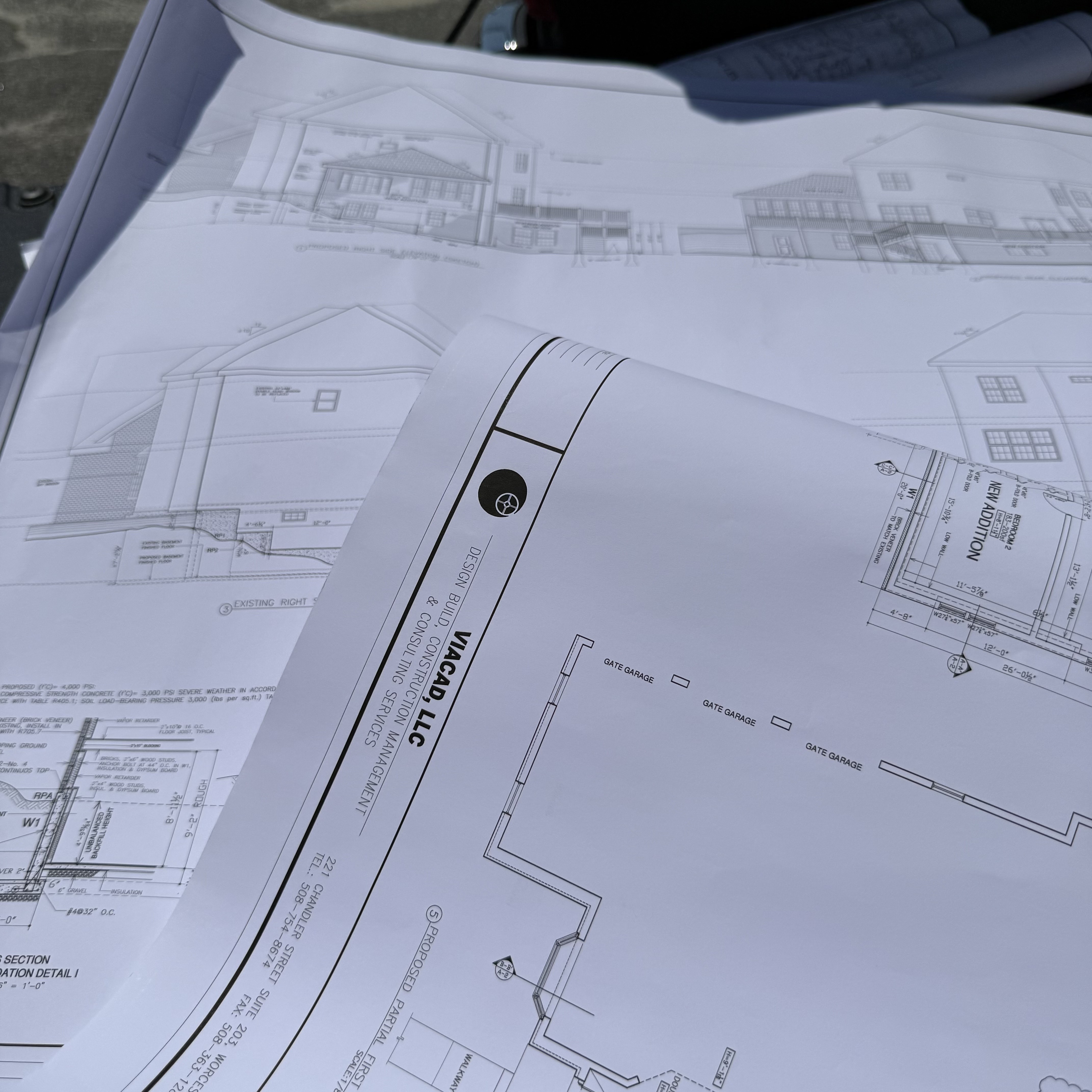
The Worcester Building Department provides detailed guidelines, checklists, and application forms to assist property owners and contractors throughout the permit process.
Building inspections and code compliance form the foundation of Worcester's construction oversight system. After obtaining building permits, plumbing permits, and electrical permits, property owners must coordinate inspections with the Worcester Building Department at specific construction phases. These inspections verify that work meets Massachusetts State Building Code requirements, local amendments, and zoning compliance standards that govern everything from structural loads to setback requirements.
Worcester's inspection schedule typically follows standard construction sequences: foundation and footing inspections, rough framing review, electrical rough-in, plumbing rough-in, insulation verification, and final inspection before occupancy. Building inspectors examine structural connections, verify lumber grades meet span requirements, check electrical installations against current NEC standards, and confirm plumbing work complies with Massachusetts Plumbing Code. Each inspection checkpoint ensures structural integrity, fire safety systems, and adherence to lot coverage calculations that protect both occupants and neighboring properties.
Successful inspection outcomes depend on thorough documentation and accurate construction drawings that clearly communicate design intent to inspectors. This documentation becomes particularly critical in Worcester's older neighborhoods where existing conditions often require creative solutions that still meet code requirements.
When inspections reveal non-compliant work, contractors may need to remove completed installations, redesign systems, or seek special permits that add months to project timelines.
Building inspections serve as quality control checkpoints that protect your investment and ensure occupant safety throughout the structure's lifespan. Whether constructing new additions, renovating existing spaces, or upgrading mechanical systems, proper permitting and inspection compliance remains essential for legal occupancy and future property transfers.
Prioritizing inspection compliance protects property values, ensures family safety, and establishes a solid foundation for successful project completion that meets both current needs and future requirements.
VIACAD, LLC specializes in producing detailed, permit-ready plans that simplify the building permit process in Worcester. With over 18 years of design and construction experience serving Worcester and Massachusetts, our family-owned firm deeply understands the local building department's requirements and zoning regulations in the City of Worcester.
Proper planning and obtaining the required permits are critical to avoid serious consequences such as fines, project delays, or issues with resale.

Currently accepting projects in Massachusetts.