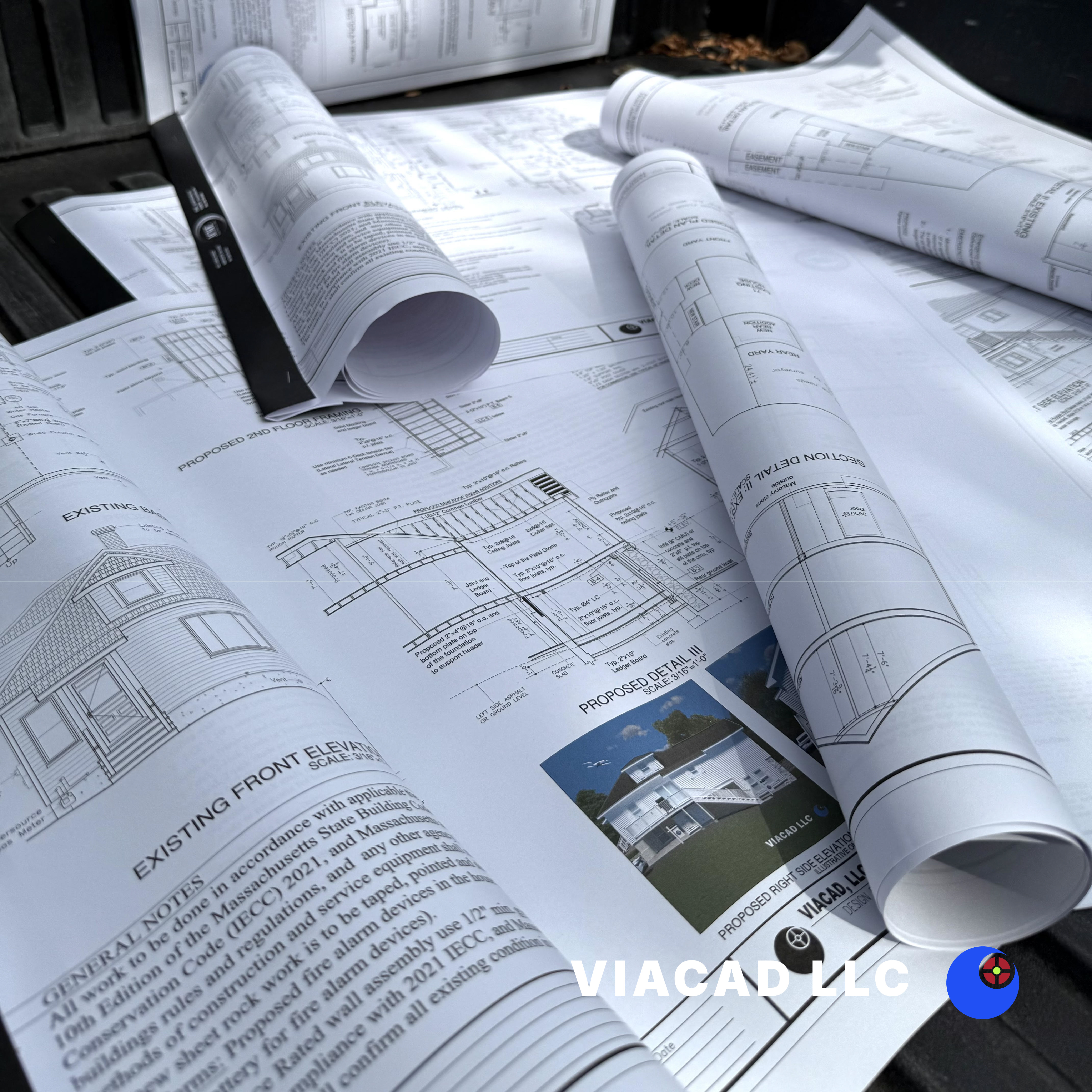
If you own an older home in Massachusetts, there is a good chance you have walked into your basement, looked at the stone walls, and wondered whether all that space could be put to better use.
We hear this question often from homeowners throughout Worcester County and Central Massachusetts. Some are looking to create a family room. Others want a home office, gym, guest suite, or additional bedroom. More recently, many homeowners have been asking whether their basement could become an Accessory Dwelling Unit (ADU).
The answer is often yes. However, fieldstone foundations present unique challenges that should be understood before construction begins.
At VIACAD, LLC, we have worked with many older homes throughout Massachusetts, and fieldstone basements tend to raise the same questions every time.
Is the foundation structurally sound?
Is the basement too damp?
Is there enough ceiling height?
Can a bedroom be added?
Will permits be required?
The good news is that many fieldstone basements can be successfully converted into usable living space. The key is understanding the existing conditions before investing significant time and money into the project.
Fieldstone foundations were commonly used before poured concrete became the standard foundation system used today.
Builders would gather natural stones from the surrounding area and use mortar to create foundation walls. Many homes built throughout Massachusetts during the late 1800s and early 1900s still have their original fieldstone foundations.
In many cases, these foundations have lasted well over 100 years.
That said, they were built during a different era. Most were intended to support the home above, provide storage space, and house mechanical equipment. They were not originally designed with finished basements in mind.
That does not mean a renovation cannot happen. It simply means the existing conditions should be evaluated carefully before construction begins.
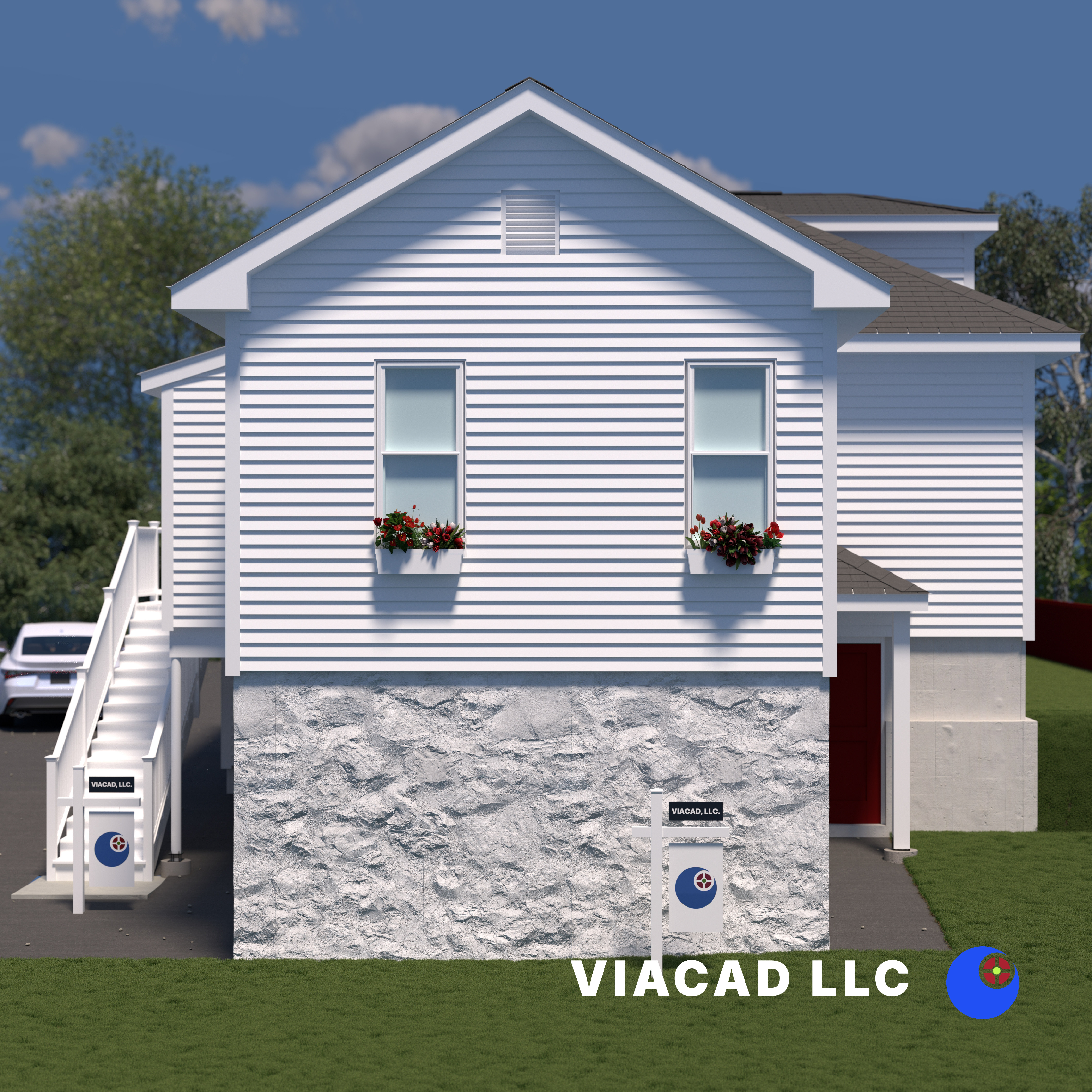
One of the biggest surprises for homeowners is that ceiling height is often a larger issue than the foundation itself.
Many people assume that if the basement is dry enough and structurally sound, they can simply frame walls and finish the space.
In reality, one of the first measurements we typically take during a consultation is the distance from the floor to the framing above.
We have seen many situations where homeowners were already discussing flooring, paint colors, and room layouts before realizing that the ceiling height could become a significant obstacle.
Understanding this early helps avoid costly surprises later.
One of the most common concerns we hear is:
"My basement gets damp. Does that mean I can't finish it?"
Not necessarily.
Many fieldstone basements experience some degree of moisture infiltration. In fact, it is common in older homes throughout Massachusetts.
The important question is not whether moisture exists. The important question is where it is coming from and whether it can be properly managed.
When evaluating a basement, we often look at factors such as:
In many cases, moisture concerns can be addressed as part of the overall renovation strategy.
This is usually one of the first questions homeowners ask.
The reality is that many fieldstone foundations remain structurally stable after more than a century of service.
However, every home is different.
Some conditions may warrant further evaluation, including:
One thing we often find is that homeowners are most concerned about the foundation itself. Surprisingly, the larger challenges are often related to code requirements, ceiling height, or egress rather than structural problems.
That is one reason why a thorough evaluation at the beginning of the project can be so valuable.
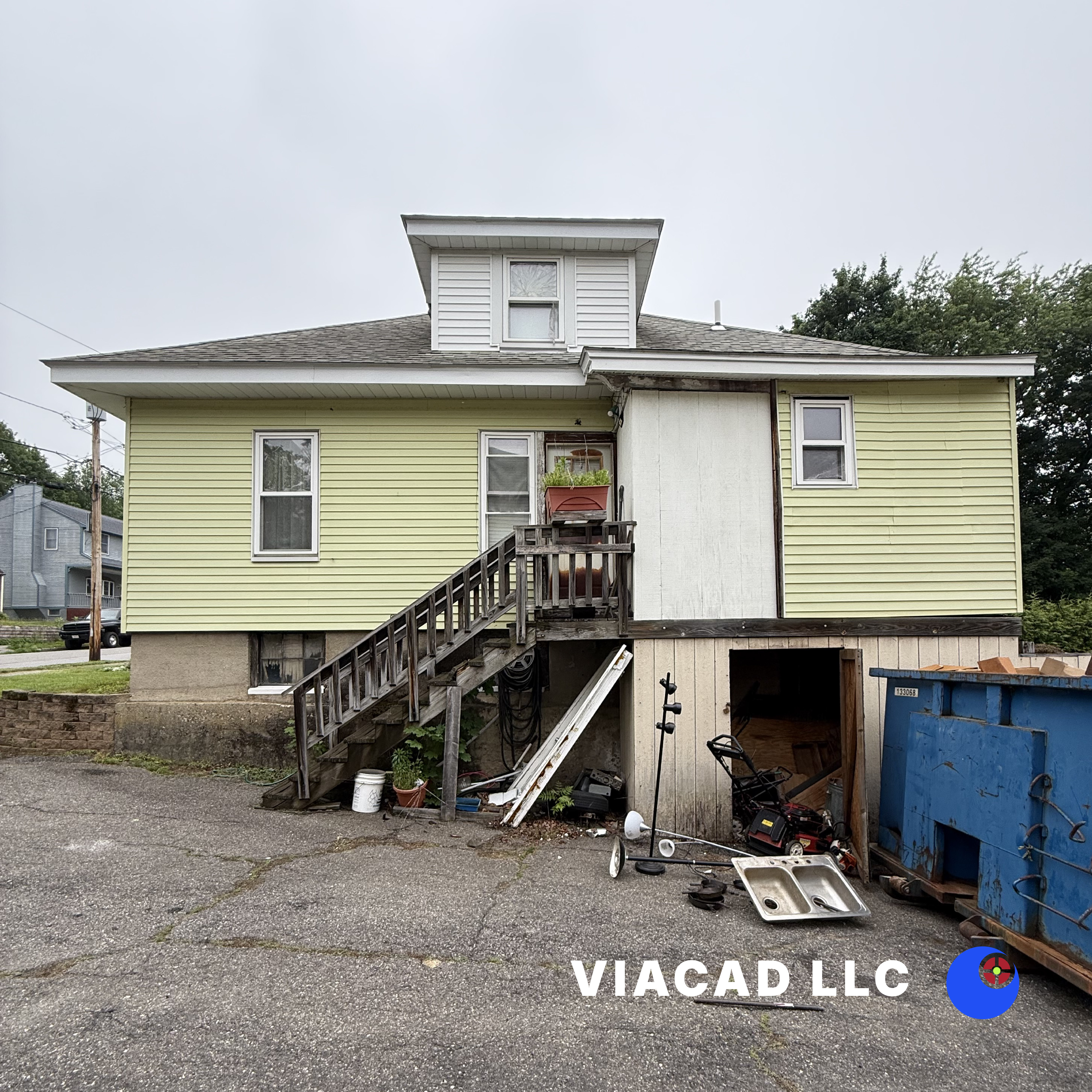
Possibly.
A common misconception is that if a room can physically fit a bed, it automatically qualifies as a legal bedroom.
Building codes require much more than that.
Depending on the project, requirements may include:
Every home is different, which is why it is important to review the existing conditions before making assumptions about what is possible.
This is one of the fastest-growing questions we receive.
With recent changes to Massachusetts law making ADUs more accessible, many homeowners are taking a fresh look at their basements.
A basement conversion may create opportunities for:
However, creating an ADU typically involves more than simply finishing the basement.
Issues such as egress, fire protection, ventilation, ceiling height, structural considerations, and building code compliance all need to be evaluated.
The goal is not simply to create additional space. The goal is to create a space that can legally function the way you intend to use it.
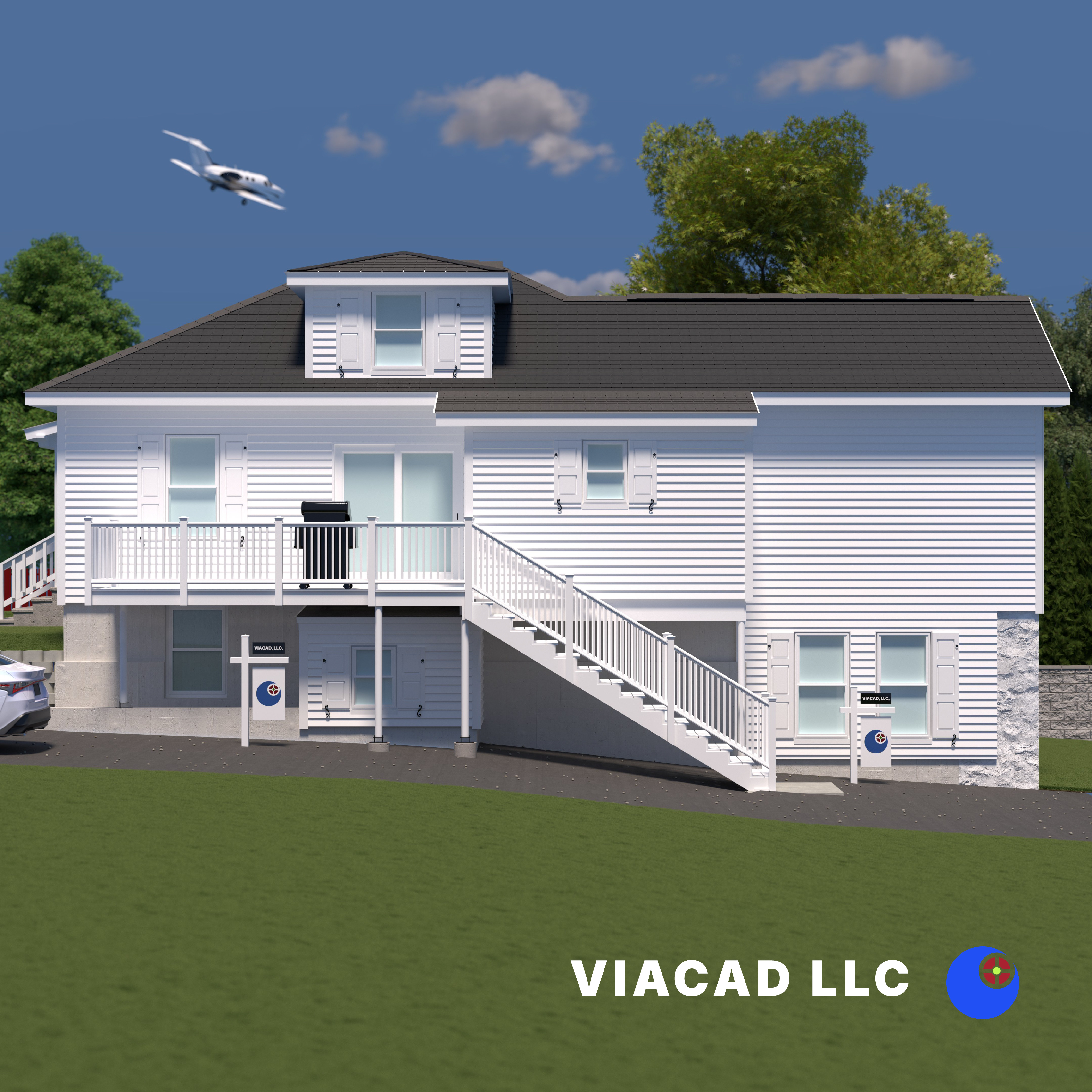
In some situations, homeowners explore lowering the basement floor to gain additional ceiling height.
This process is commonly known as underpinning.
Underpinning involves extending portions of the existing foundation deeper so that the basement floor can be excavated and lowered.
Because fieldstone foundations are often more than 100 years old, this type of work requires careful planning and coordination.
We often encourage homeowners to understand all available options before moving forward, since every property presents a different set of opportunities and constraints.
One of the most common mistakes we see is homeowners obtaining contractor pricing before determining whether the project is actually feasible.
The planning stage is often where the most important decisions are made.
Before construction begins, it is important to understand:
Identifying these issues early can save both time and money during the construction process.
Many older Massachusetts homes have tremendous untapped potential below the first floor.
We have visited fieldstone basements where homeowners assumed the space was unusable, only to discover that there were viable paths forward. We have also seen situations where early planning helped homeowners avoid costly mistakes before construction began.
Every home is different. That is why understanding the existing conditions is often the most important first step.
At VIACAD, LLC, we help homeowners throughout Massachusetts evaluate renovation possibilities, prepare permit drawings, perform code research, and coordinate residential projects involving older homes.
If you are considering converting a fieldstone basement into living space, we would be happy to discuss your project and help you better understand the opportunities and constraints specific to your property.
Currently accepting projects in Massachusetts.