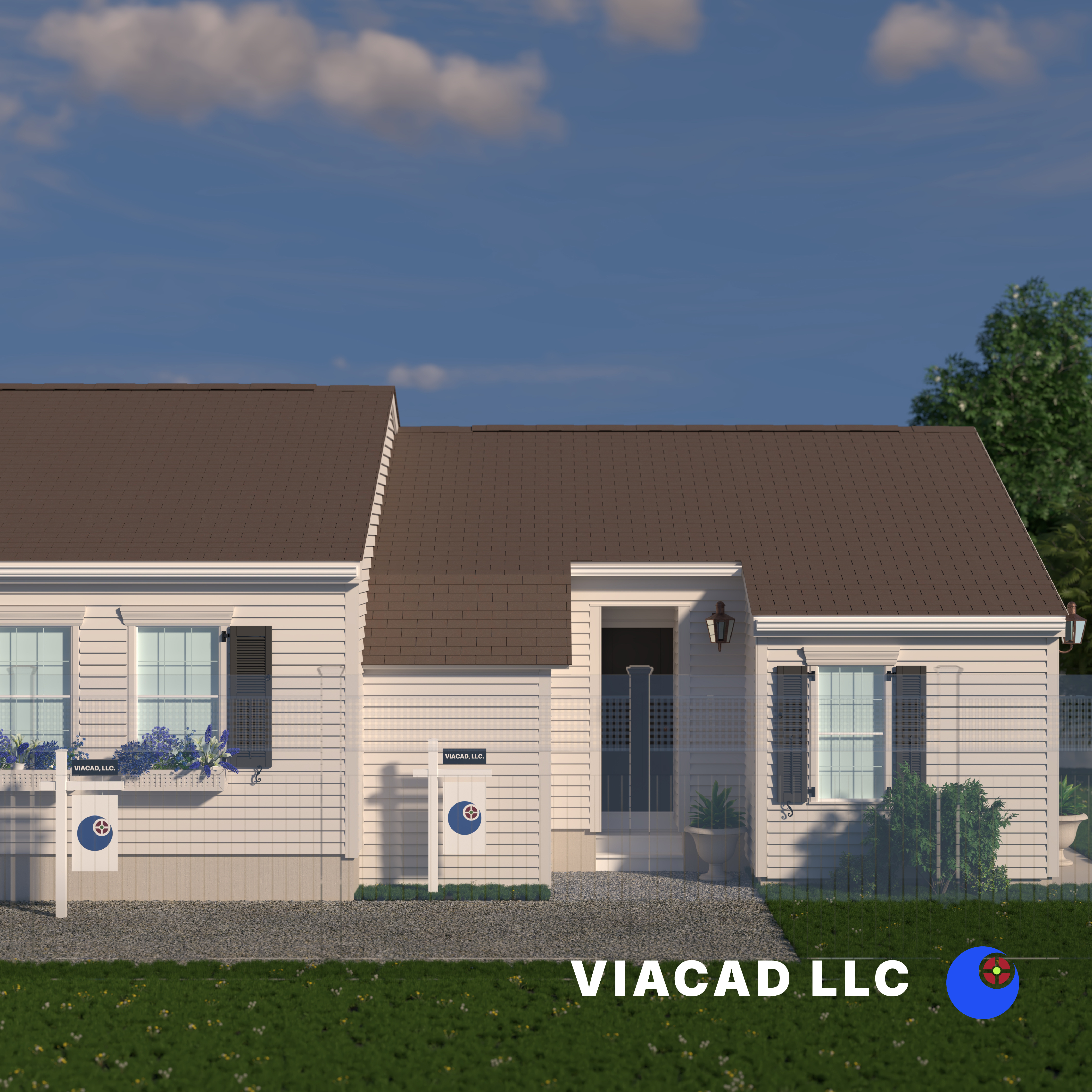
Many homeowners love the character of older Massachusetts homes.
The original woodwork, unique architectural details, and established neighborhoods often make these properties difficult to replace.
As families grow and needs change, however, many homeowners begin considering an addition rather than moving.
One of the first questions we often hear is:
"Our house has a fieldstone foundation. Does that make an addition more difficult?"
The short answer is not necessarily.
Many successful additions have been built onto homes with fieldstone foundations. However, older homes often require additional planning to ensure that the new construction works properly with the existing structure.
Understanding those considerations early can help homeowners make better decisions before design and construction begin.
Most fieldstone foundations throughout Massachusetts were built more than 100 years ago.
As a result, homeowners are often concerned about how modern construction will connect to an older structure.
Questions we commonly hear include:
These are all reasonable questions.
Fortunately, they can usually be addressed through proper planning and evaluation.
One thing we often explain during consultations is that the foundation itself is only one piece of the puzzle.
When planning an addition, we also evaluate factors such as:
Many homeowners focus entirely on the foundation when the larger design challenges are often found elsewhere.
Understanding the property as a complete system typically leads to better project outcomes.
In many cases, yes.
Modern additions are often constructed using poured concrete foundations while the existing house remains supported by its original fieldstone foundation.
The exact details vary from project to project.
Factors such as foundation condition, structural loads, site conditions, and project design all influence how the connection is ultimately handled.
This is one reason why existing conditions are usually reviewed early in the design process.
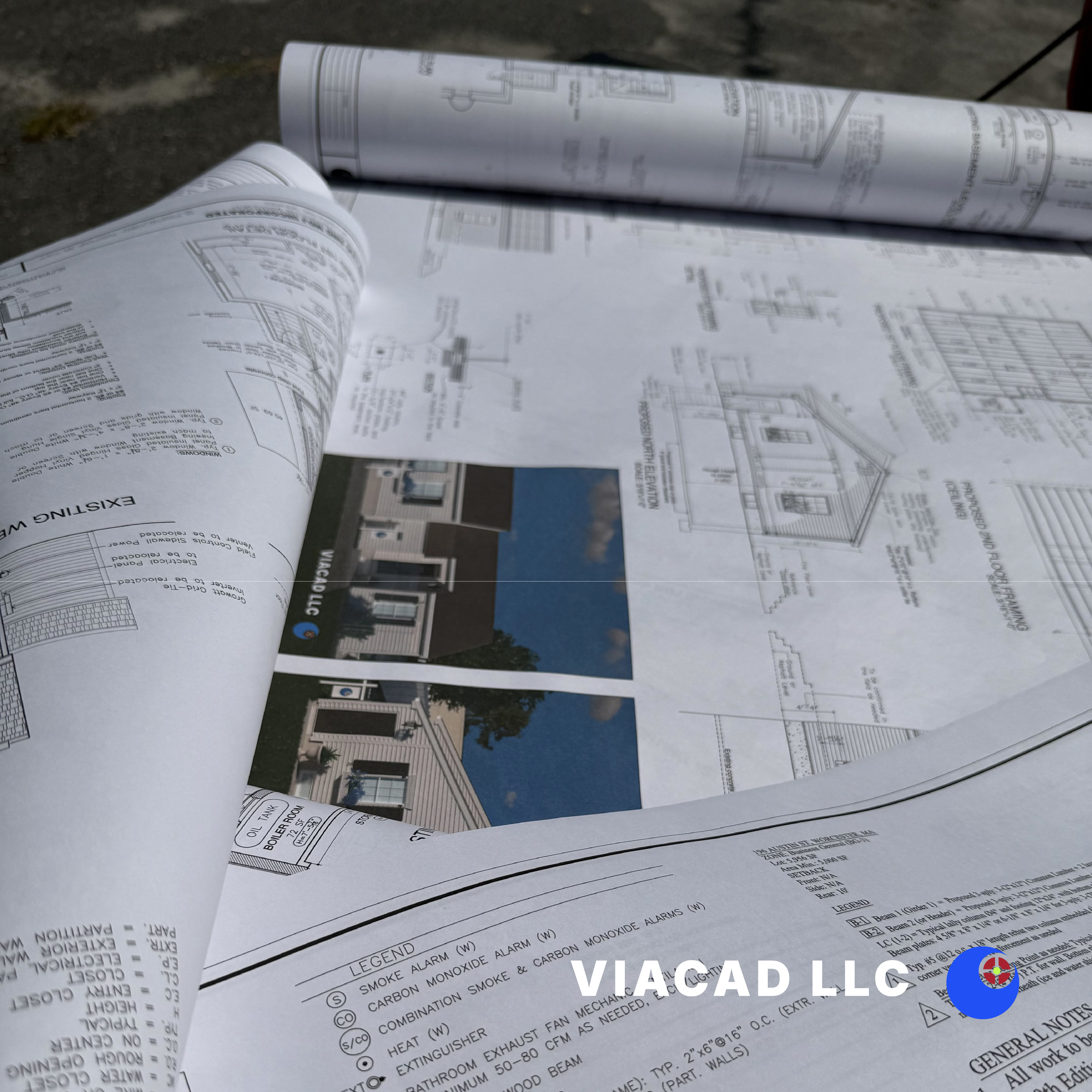
Settlement is another topic that frequently comes up.
Homeowners sometimes worry that a new addition will settle differently than the original house.
While movement is a consideration for any construction project, proper planning helps identify potential concerns before construction begins.
Every property is unique, which is why evaluating site conditions and existing structures is an important part of the process.
One thing we have learned from working on older homes is that surprises are not uncommon.
For example, homeowners may discover:
None of these automatically prevent an addition from moving forward.
However, understanding existing conditions early often leads to a smoother project and fewer surprises during construction.
Many homeowners begin thinking about floor plans before considering zoning requirements.
In reality, zoning often determines what is possible before construction documents are ever prepared.
Depending on the property, considerations may include:
We frequently encourage homeowners to understand these requirements before becoming too attached to a specific design concept.
One of the biggest mistakes homeowners make is obtaining contractor pricing before understanding whether the proposed addition is feasible.
Before construction begins, it is often beneficial to understand:
The earlier these issues are identified, the easier it becomes to avoid redesigns, delays, and unexpected costs.
Many older homes throughout Massachusetts offer excellent opportunities for expansion.
A fieldstone foundation does not automatically prevent an addition from being built. In many cases, the project simply requires thoughtful planning and a clear understanding of the existing conditions.
At VIACAD, LLC, we help homeowners throughout Massachusetts evaluate addition projects, perform zoning research, prepare permit drawings, and coordinate residential renovations involving older homes.
If you are considering an addition to a home with a fieldstone foundation, we would be happy to discuss your project and help you better understand the opportunities and constraints specific to your property.

Currently accepting projects in Massachusetts.